 GLOBEWICK
Affiliate Marketing: How It Works and How to Start
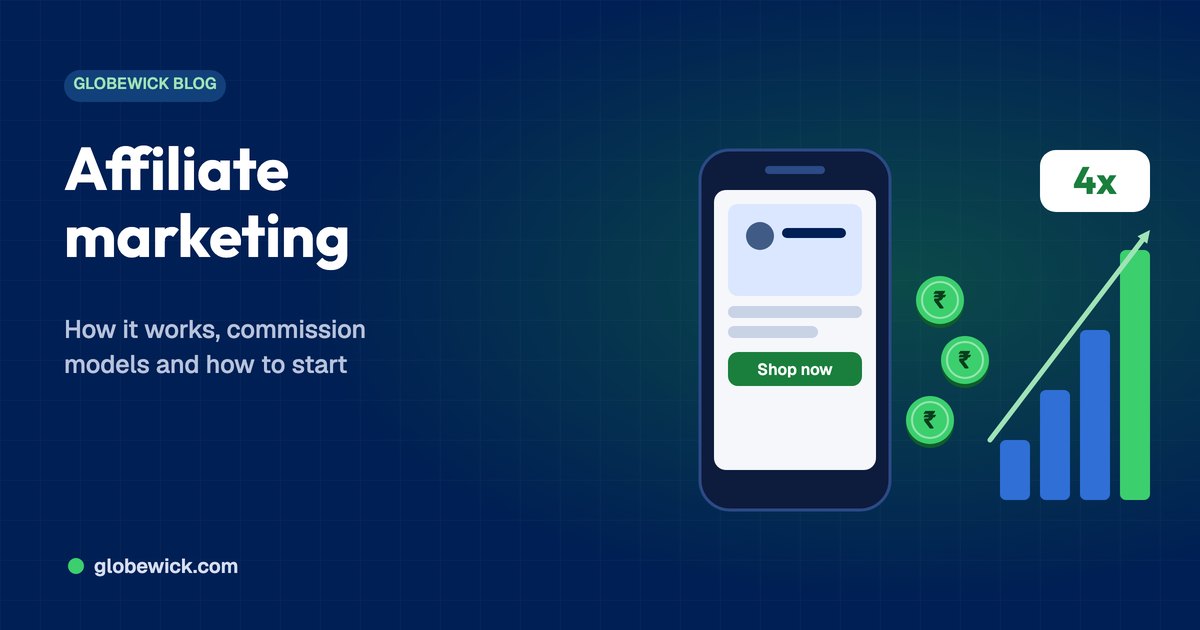
Affiliate marketing is a partnership model where a business pays commission to other people or websites, called affiliates, for each sale or lead they send through a unique tracking link. For businesses, it is performance-based: you pay only when a result happens. For affiliates such as bloggers, creators, coupon sites and comparison sites, it is a way to earn money by recommending products. Popular programmes include Amazon Associates, Flipkart Affiliate, and networks such as CJ, Impact, Awin and ShareASale.
"Affiliate marketing" is searched 100,000 to 1 million times a month in both India and the United States, according to Google Ads Keyword Planner data we pulled in November 2026.
How affiliate marketing works
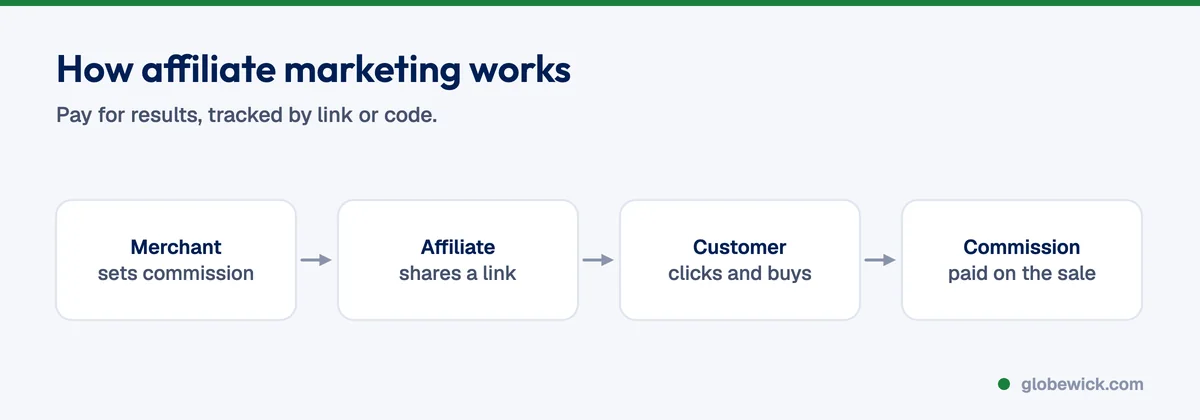
- The merchant creates an affiliate programme and sets commission rates.
- The affiliate joins and gets a unique link or code.
- The affiliate promotes the product through content, videos, email or social posts.
- A customer clicks and buys. A cookie or code records that the sale came from that affiliate.
- The merchant pays commission, usually a percentage of the sale or a fixed amount per lead.
Commission models
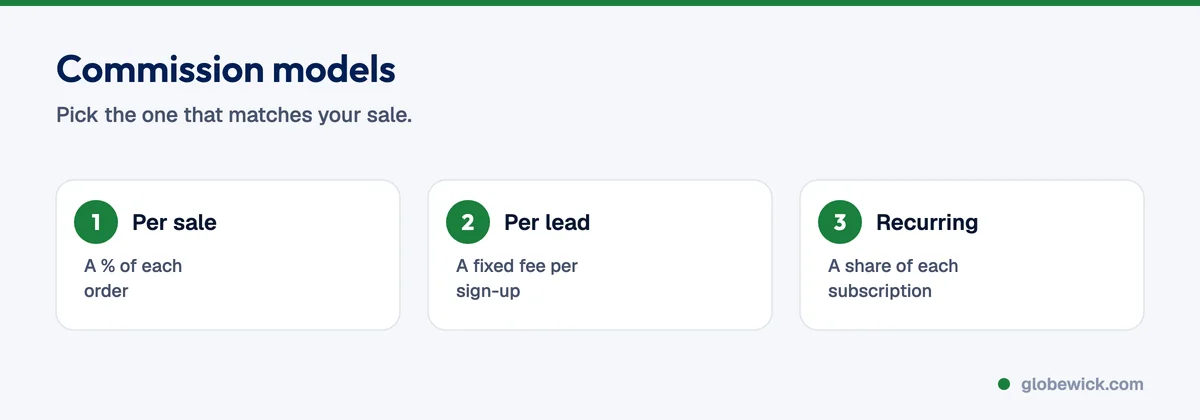
- Pay per sale (CPS): a percentage of each order. Most common in e-commerce.
- Pay per lead (CPL): a fixed fee per sign-up or enquiry, common in finance, insurance and education.
- Recurring commission: a share of each subscription payment, common in software.
- Pay per install: for apps.
Commission rates vary widely by category and programme, so check each programme's current terms.
Affiliate marketing for beginners: how to start as an affiliate
- Pick a niche you know and where buyers research before purchasing, such as tech, fitness, software, personal finance or home products.
- Choose a platform: a blog for search traffic, YouTube for reviews and tutorials, Instagram or a newsletter for an engaged audience.
- Join relevant programmes: Amazon Associates for broad products, brand programmes directly, or networks that list many merchants.
- Create genuinely helpful content: honest reviews, comparisons, tutorials and "best of" lists based on real use.
- Disclose your affiliate links clearly, as required by platforms and advertising rules in most countries.
- Track and improve: see which content and products convert, and do more of it.
Expect it to take months to build traffic. Search-driven content needs SEO: read what SEO is and our keyword research guide.
Amazon affiliate marketing
The Amazon Associates programme lets you earn commission on qualifying purchases made through your links, including other products bought in the same session. Commission rates differ by product category and by country programme (Amazon.in, Amazon.com and others are separate). It is easy to join, but rates are lower than many brand programmes, so many affiliates combine Amazon with direct programmes.
Affiliate marketing for businesses
For a brand, an affiliate programme adds a sales channel where you pay only for results:
- Set commissions that leave room for profit after returns and cancellations.
- Use a tracking platform or your store's affiliate app so links, codes and payouts are accurate.
- Recruit quality partners: niche bloggers, creators, comparison sites and loyal customers.
- Give them assets: product images, key messages, discount codes and early access to launches.
- Watch for fraud: fake orders, coupon abuse and bidding on your brand name in Google Ads without permission.
Affiliate and influencer marketing overlap: many creators work on commission or a mix of a fixed fee plus commission. See what to ask before you sign a creator.
Pros and cons
- Pros: pay for results, reach new audiences through trusted voices, scale with many partners.
- Cons: less control over how you are presented, attribution disputes, fraud risk and commission on sales you might have got anyway.
Affiliate marketing vs other channels
Affiliate is one form of performance marketing. It works best alongside your own ads, SEO and email, not instead of them. For the full picture of channels, read what digital marketing is.
FAQ
Can I do affiliate marketing without a website?
Yes. Many affiliates use YouTube, Instagram, newsletters or communities, as long as the platform allows affiliate links and you disclose them.
Is affiliate marketing legit?
Yes. It is a standard marketing model used by major retailers and software companies. Be wary of courses or schemes that promise quick, guaranteed income.
How much do affiliates earn?
Earnings vary from nothing to a full-time income. They depend on traffic, trust, niche and commission rates.