 GLOBEWICK
Pipeline Generation: How to Turn Leads into Sales Opportunities
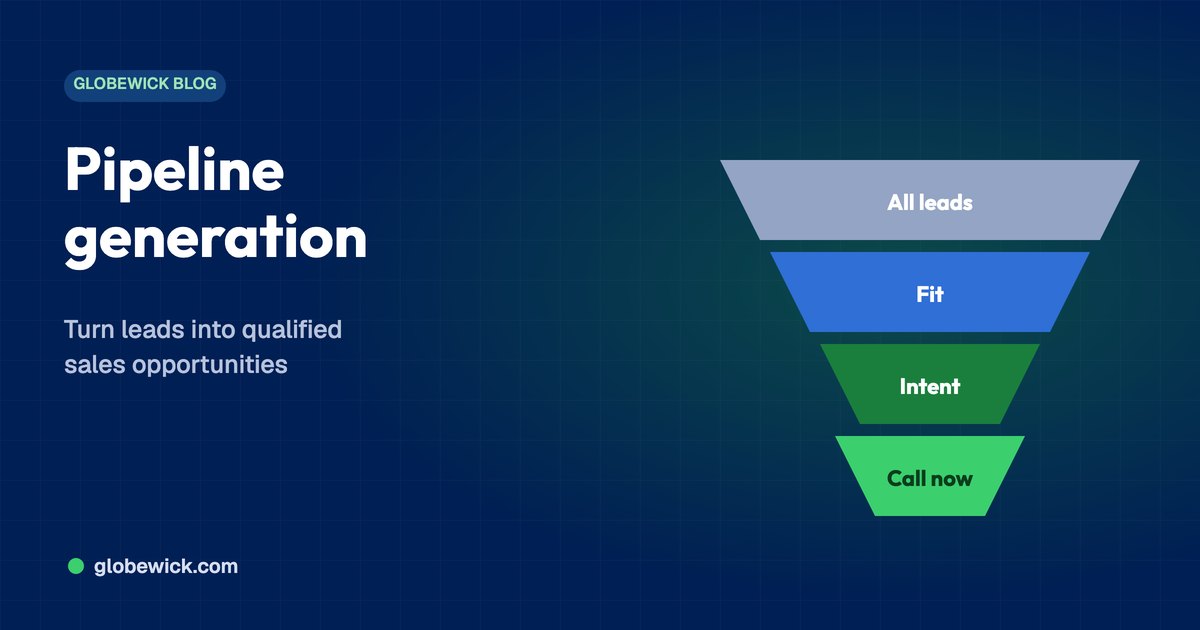
Pipeline generation is the work of creating qualified sales opportunities, not just leads, so your sales team always has enough deals to hit its target. It joins marketing activities such as search ads, LinkedIn and content with sales activities such as outbound and follow-up, and measures success by pipeline value created, not form fills.
"Pipeline generation" and "sales pipeline generation" were each searched 100 to 1,000 times a month in the United States and 10 to 100 times a month in India, according to Google Ads Keyword Planner data we pulled in November 2026. Related terms such as "MQL generation" and "enquiry generation" see smaller but steady demand.
We build lead and pipeline programmes for B2B services, healthcare and high ticket consumer brands. The common problem is not a lack of leads. It is that leads do not turn into opportunities sales can close. This guide is about fixing that.
What is pipeline generation and how is it different from lead generation?
Lead generation stops when someone gives you their details. Pipeline generation keeps going until a qualified opportunity, with a real budget, need and timeline, sits in your CRM with a value attached.
| Lead generation | Pipeline generation | |
|---|---|---|
| Output | Contacts and enquiries | Qualified opportunities with a value |
| Owned by | Usually marketing | Marketing and sales together |
| Main metric | Leads, cost per lead | Pipeline value, cost per opportunity, win rate |
| Risk if done alone | Many leads, few sales | Slower to show early numbers |
For the first half of the journey, read our lead generation guide. This post focuses on the second half and on how the two connect.
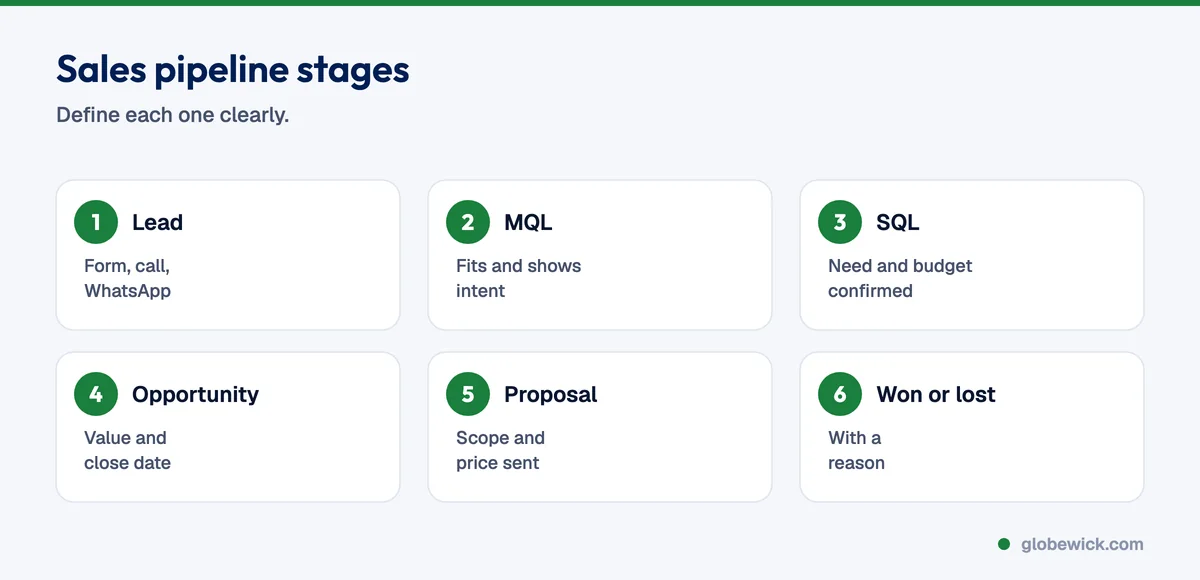
What are the stages of a sales pipeline?
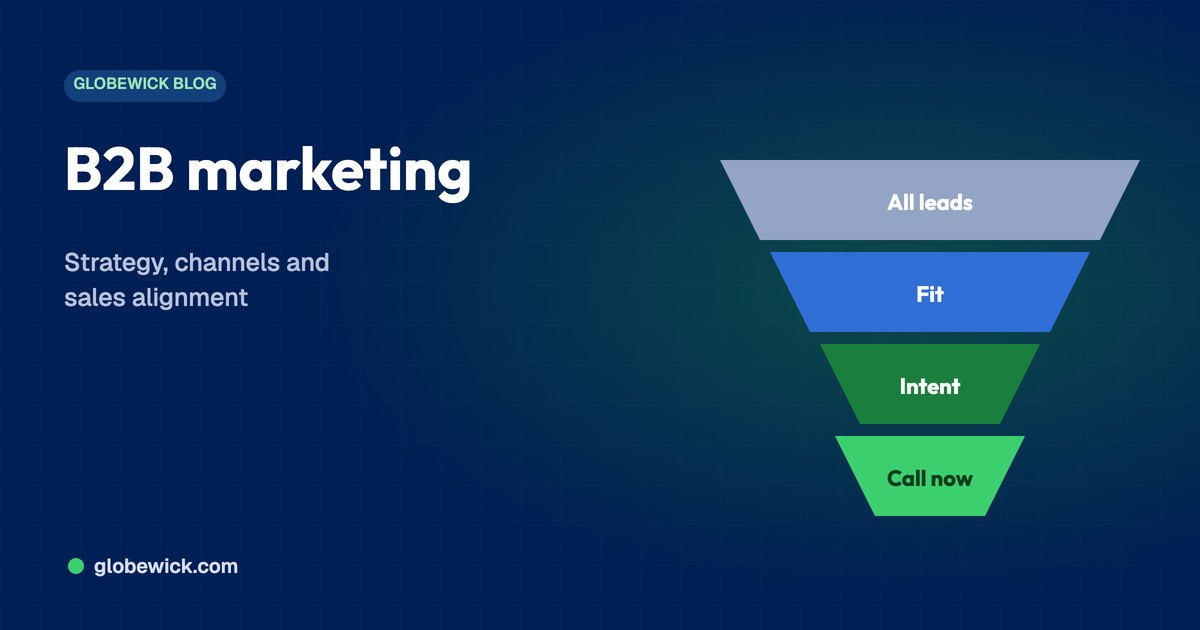
Every business names stages differently, but a typical B2B pipeline looks like this:
- Enquiry or lead: someone has shown interest, by form, call, WhatsApp, event or reply.
- MQL (marketing qualified lead): fits your ideal customer and has shown enough intent to be worth a call.
- SQL (sales qualified lead): sales has spoken to them and confirmed need, budget, authority and timing.
- Opportunity: a defined deal with a value and expected close date.
- Proposal: pricing and scope sent.
- Won or lost: with a recorded reason either way.
Pipeline generation covers stages one to four. The clearer your definitions of MQL and SQL, the easier it is to see where deals get stuck.
Which pipeline generation activities work best?
Pipeline generation activities fall into inbound, where buyers come to you, and outbound, where you go to them. Most healthy pipelines need both.
Inbound activities
- Google search ads on problem and solution searches, such as "[service] agency", "[software] for [industry]" or "[service] cost". Buyers searching already have a need. See Google Ads for B2B lead generation.
- SEO content on pricing, comparisons and how-to topics your buyers research before they talk to anyone.
- LinkedIn posts and ads from founders and team members, targeted by job title and company size.
- Meta lead ads for B2B offers aimed at small business owners, who use Instagram and Facebook daily.
- Webinars, guides and calculators that collect leads with a clear reason to talk afterwards.
Outbound activities
- Targeted email and LinkedIn outreach to a short list of named accounts, with a specific, relevant reason to reply.
- Calling warm accounts that visited your pricing page, downloaded a guide or attended an event.
- Partner and referral programmes with businesses that sell to the same buyers.
- Events and trade shows, followed up within days, not weeks.
How do you build a pipeline generation plan?
- Start from the revenue target. If you need a certain amount of new revenue this quarter, divide by your average deal size to get the number of deals, then by your win rate to get the opportunities you need.
- Work backwards through the funnel. Use your real conversion rates from lead to MQL, MQL to SQL and SQL to opportunity. If you do not know them, track them for a month first.
- Allocate by channel. Decide what share of opportunities should come from paid search, content, outbound and referrals, based on past cost per opportunity.
- Set weekly pipeline targets for both marketing and sales, measured in opportunities and pipeline value, not only leads.
- Review every week together. One shared meeting, one shared dashboard.
This is the same idea as funnel generation, applied with numbers. If the maths shows you need ten times more leads than you get today, the answer is often better conversion, not more spend.
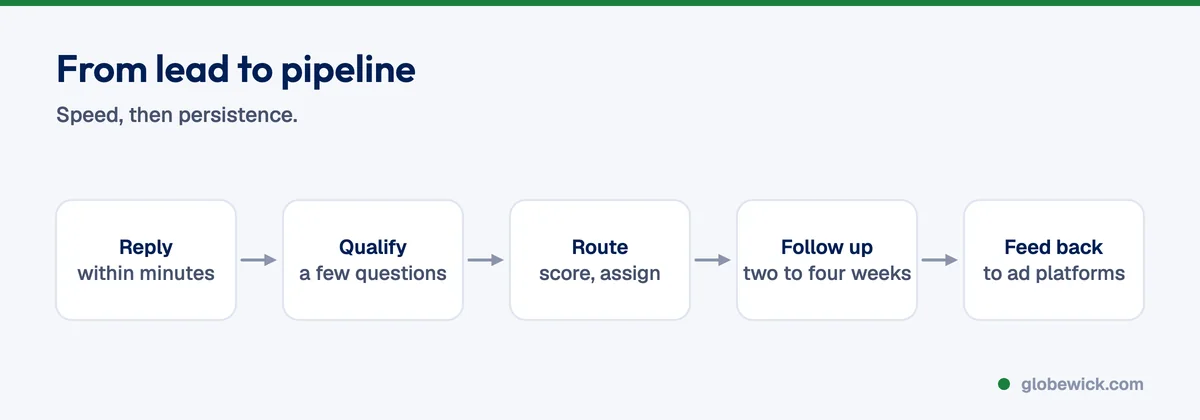
How do you turn leads into pipeline?
This is where most pipeline is lost. Four things make the biggest difference in the accounts we run:
- Speed: call or message new leads within minutes. Interest fades fast, and buyers often contact several suppliers at once.
- Qualification: a short set of questions that tells sales whether to book a call. Read how to qualify leads before they reach sales.
- Scoring and routing: score leads on fit and intent, and route each one to the right person automatically. See building a lead scoring system sales teams use and setting up lead routing.
- Follow-up: a sequence of calls, emails and WhatsApp messages over two to four weeks, since many buyers reply on the fourth or fifth touch. Our guide on follow-up sequence length covers timing.
The form itself also matters. A few well chosen fields (company, role, budget range, timeline) raise lead quality without killing volume. See the anatomy of a high converting B2B lead form.
What role does the CRM play in pipeline generation?
Your CRM is where pipeline becomes visible. Without it, nobody knows which campaign created which deal. The basics to set up:
- Every lead captured automatically, with source, campaign and keyword or ad.
- Clear stages with definitions everyone agrees on.
- A required value and close date for every opportunity.
- Lost reasons recorded on every closed deal.
- Offline conversions sent back to Google Ads and Meta, so their bidding learns which leads became opportunities.
CRMs have gone through several generations, from contact databases to sales tools to platforms that now handle marketing automation too. The tool matters less than the discipline of keeping it updated. HubSpot, Zoho, Salesforce and Pipedrive all work if the team uses them.
Which pipeline metrics should you track?
- Pipeline created: total value of new opportunities in the period.
- Pipeline coverage: open pipeline value divided by the sales target. Many B2B teams aim for three times coverage or more.
- Cost per opportunity: marketing spend divided by opportunities created, by channel.
- Conversion rates between each stage.
- Sales cycle length: days from lead to won.
- Win rate and average deal size.
Cost per lead alone will mislead you. A channel with cheap leads that never become opportunities is the expensive one. Read cost per lead vs cost per qualified lead for why.
Pipeline generation in India and global markets
In India, phone calls and WhatsApp still close most B2B deals, so we treat WhatsApp as a full pipeline channel, with tracked links and CRM integration. Buyers expect fast responses and often want to speak before seeing a proposal. Price sensitivity is higher, so qualification on budget early saves sales time.
In the United States, United Kingdom and Australia, buyers do more research before contacting you, so content, reviews and clear pricing information carry more weight. Email and LinkedIn are the main outbound channels, and data protection rules shape how you can contact people, so check the rules in each market before cold outreach.
Common pipeline generation mistakes
- Marketing measured on leads while sales is measured on revenue, with nobody owning the gap.
- No agreed definition of a qualified lead.
- Leads waiting hours or days for a first reply.
- Ad platforms optimising for form fills instead of qualified opportunities.
- Stopping all activity when the pipeline is full, then starting from zero a quarter later.
Want a pipeline programme built and run for you? See our B2B lead generation agency services, or read our B2B marketing guide for the wider strategy.
FAQs
What is MQL generation?
MQL generation is producing marketing qualified leads: contacts who match your ideal customer and have shown enough interest, such as visiting pricing or requesting a demo, to be passed to sales.
Who owns pipeline generation, marketing or sales?
Both. Marketing usually owns inbound pipeline and sales owns outbound, but targets, definitions and reviews should be shared, or deals fall into the gap between teams.
How long does it take to build a sales pipeline?
Paid search and outbound can create opportunities within weeks. SEO, content and partnerships take months but lower the cost per opportunity over time. Most businesses run both.
What is enquiry generation?
Enquiry generation is a common term in India and the UK for getting potential customers to contact you by call, form or WhatsApp. It is the first stage of pipeline generation.
What is a good pipeline coverage ratio?
Many B2B teams aim for three to four times their sales target in open pipeline, but the right number depends on your win rate. If you win one in five deals, you need more coverage than a team that wins one in two.