 GLOBEWICK
Email Marketing: A Practical Guide to Flows and Campaigns
Email marketing is sending planned, permission-based emails to people who have opted in to hear from you, to build relationships and drive sales. It includes newsletters, promotional campaigns and automated flows such as welcome series, abandoned cart reminders and post-purchase follow-ups. Because you own your list and sending costs very little, email is usually one of the highest-return channels in digital marketing, especially for repeat sales.
"Email marketing" is searched 100,000 to 1 million times a month in the United States and 10,000 to 100,000 times a month in India, according to Google Ads Keyword Planner data we pulled in November 2026.
Why email marketing still works
- You own the audience: no algorithm decides who sees your message.
- It is cheap per message, compared with paying for every click or impression.
- It drives repeat purchases, which is where most e-commerce profit comes from.
- It can be automated: the right message goes out at the right moment without manual work.
Types of marketing emails
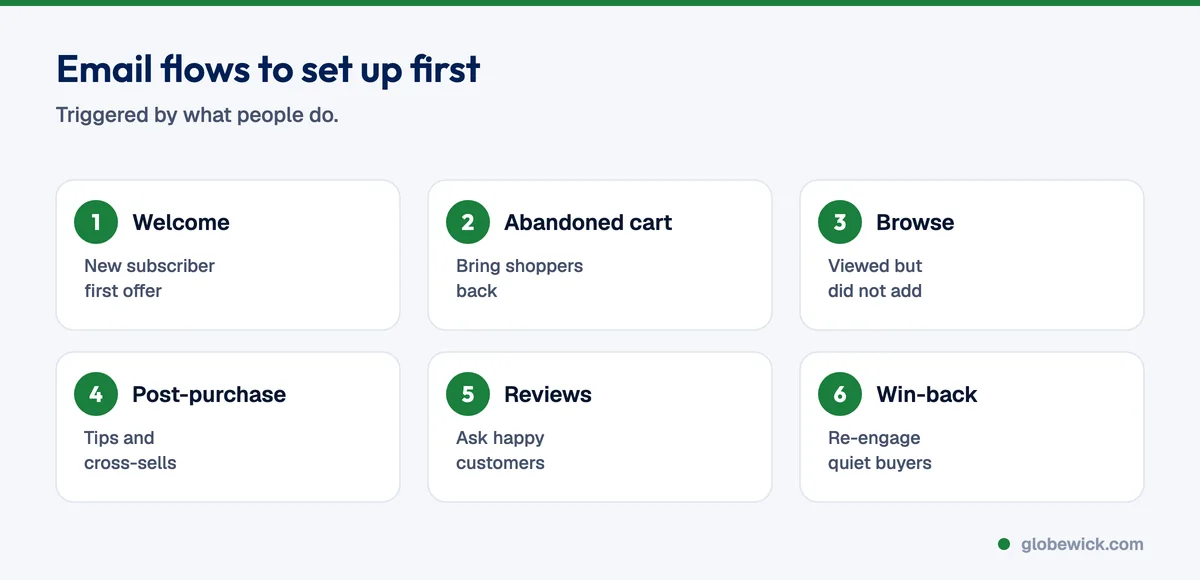
- Welcome series: introduces your brand to new subscribers and makes a first offer.
- Newsletters: regular useful content that keeps you front of mind.
- Promotional campaigns: sales, launches and seasonal offers.
- Abandoned cart and browse reminders: bring back shoppers who left.
- Post-purchase flows: order updates, how-to-use tips, review requests and cross-sells.
- Win-back emails: re-engage customers who have not bought in a while.
- B2B nurture sequences: educate leads until they are ready for a sales call.
For online stores, see the email and SMS flows every D2C store should have live.
How to start email marketing
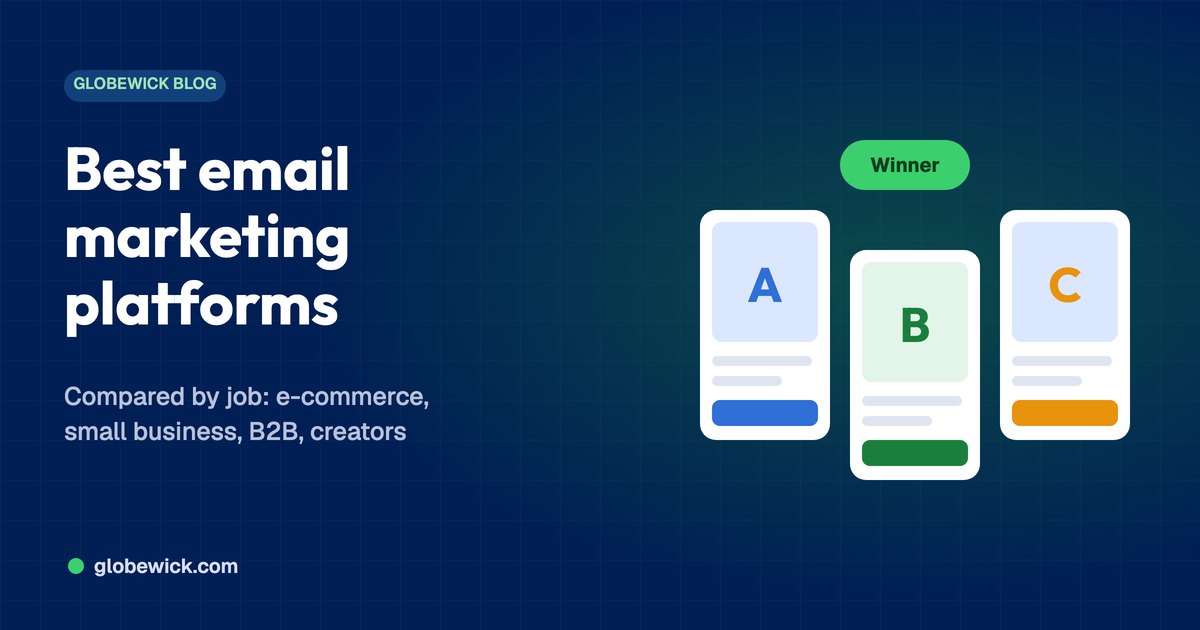
- Choose a platform: see our comparison of the best email marketing platforms.
- Authenticate your domain: set up SPF, DKIM and DMARC so your emails reach the inbox. Gmail and Yahoo now require this for bulk senders.
- Build your list with permission: sign-up forms, checkout opt-ins, lead magnets and pop-ups with a clear reason to subscribe. Never buy lists.
- Set up automated flows first: welcome, abandoned cart and post-purchase bring revenue every day.
- Then add regular campaigns: a newsletter or offer every week or two.
- Segment: send different messages to new subscribers, first-time buyers, repeat customers and inactive contacts.
- Measure and test.
Writing emails that get opened and clicked
- Subject line: specific and honest, under about 50 characters, with the main benefit or curiosity up front.
- Preview text: extends the subject line rather than repeating it.
- One main message and one call to action per email.
- Mobile first: most emails are opened on phones, so keep layouts simple and buttons large.
- Personal and useful: write like a person, and give a reason to open beyond "sale".
Email marketing metrics
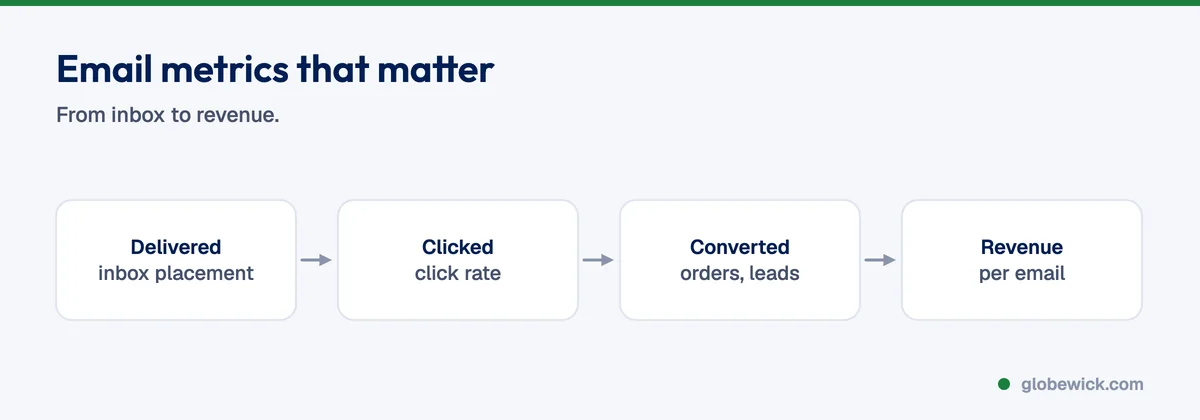
- Delivery and inbox placement: are emails arriving?
- Open rate: useful for trends, but inflated by Apple Mail Privacy Protection, so do not rely on it alone.
- Click rate: the share of recipients who click.
- Conversion rate and revenue per email: the numbers that matter.
- Unsubscribe and spam complaint rate: keep complaints very low to protect deliverability.
Email marketing automation
Automation sends emails triggered by behaviour: signing up, browsing a product, abandoning a cart, buying or going quiet. Set these up once and improve them over time. For many online stores, automated flows bring a large share of email revenue with a fraction of the effort of campaigns.
Email, WhatsApp and SMS together
In India especially, WhatsApp often gets faster responses than email, while email carries longer content and works well globally. Use each for what it does best, and do not send the same message on all three at once. See WhatsApp follow-up sequences that do not feel like spam.
Rules to follow
Only email people who opted in, include a working unsubscribe link and your business address, and honour unsubscribes quickly. Laws differ by country, such as CAN-SPAM in the US and the Spam Act in Australia, and India's Digital Personal Data Protection Act sets rules for handling personal data.
Want flows and campaigns built for you? See our e-commerce marketing and B2B lead generation services. For the wider picture, read what digital marketing is.
FAQ
How often should I send marketing emails?
Weekly or every two weeks suits most businesses, plus automated flows. Send more often only if engagement holds up.
Is email marketing free?
Many platforms have free plans for small lists. Costs rise with list size and features.
What is a good email open rate?
It varies by industry and is distorted by privacy features. Focus on clicks, conversions and revenue per email instead.